Central London Walking Network conference report

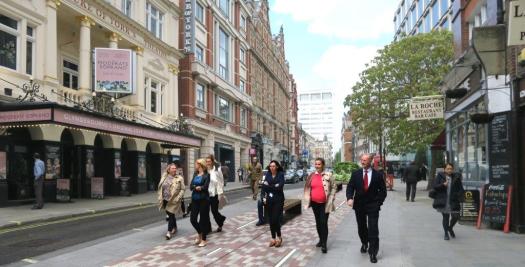
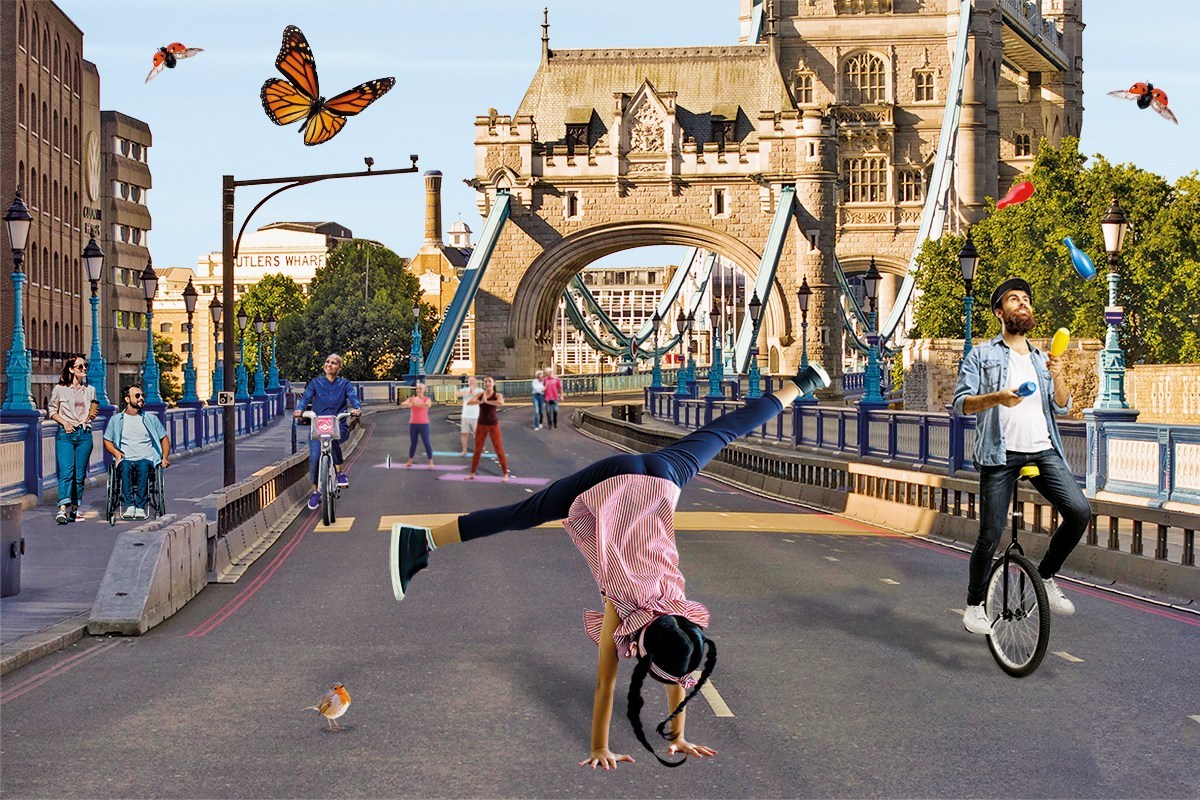
St Martin’s Lane reimagined as part of a Central London Walking Network

“The zeitgeist is changing. The politics of the street are changing. People are asking how we want to live.”

Nicholas Boys Smith, Create Streets

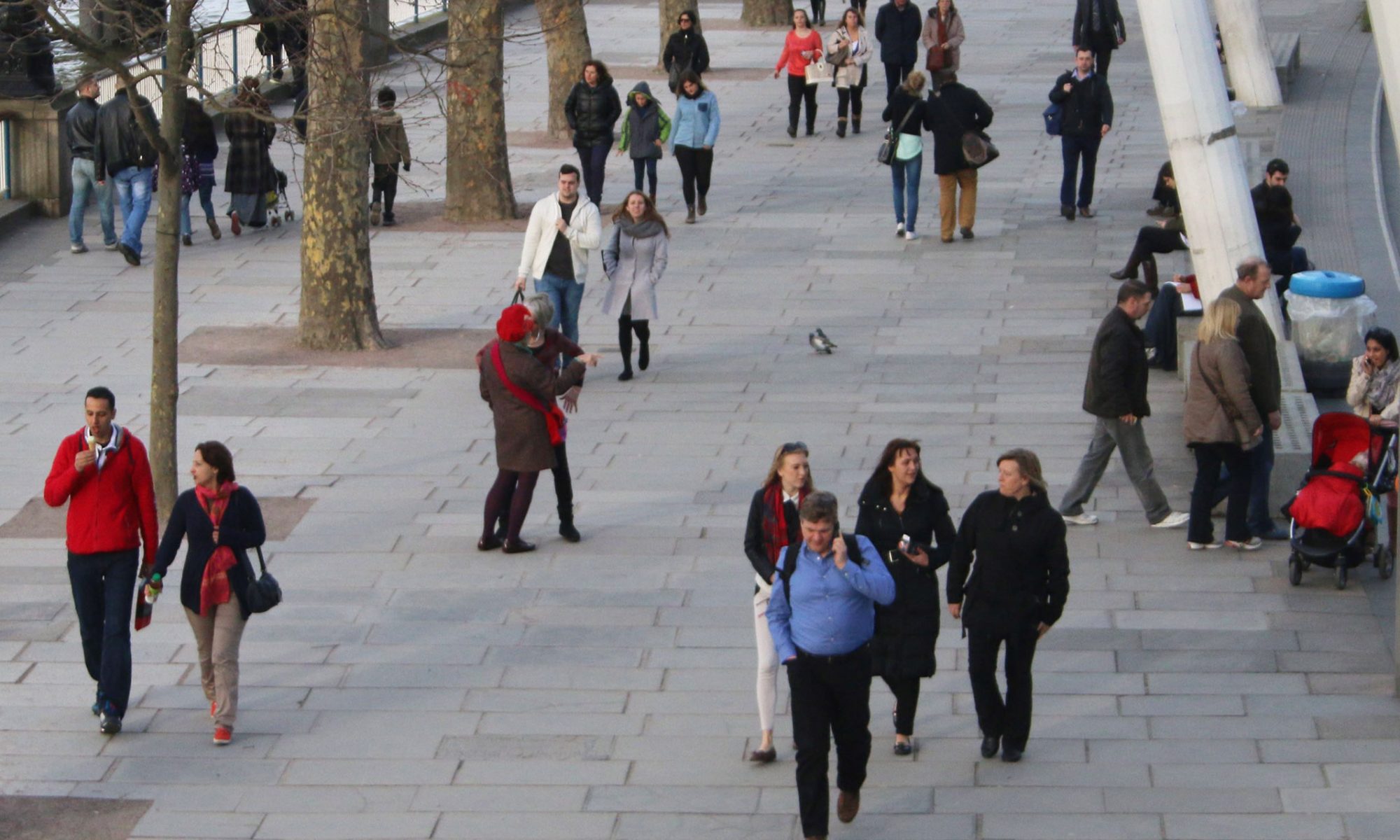
This was Boys Smith, one of the chairs at the Central London Walking Network conference on 28 November, responding to the energy, ideas and enthusiasm in the room. The event, organised with Urban Design Group, was a turning point in London Living Street’s campaign for a dense web of walking routes connecting major destinations in Central London.

Continue reading “Central London Walking Network conference report”

Improving main roads in London

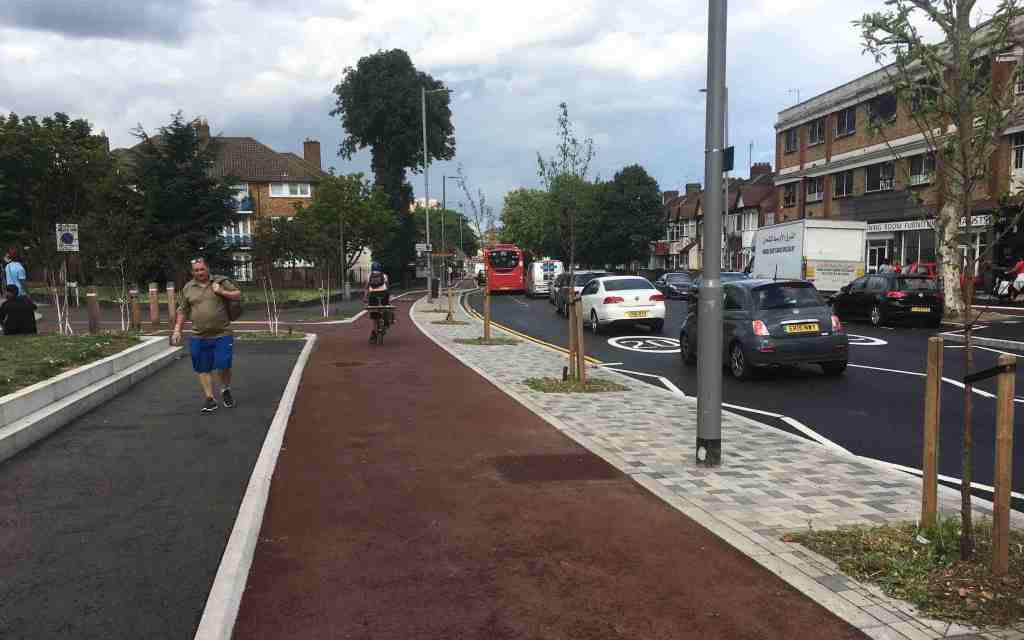
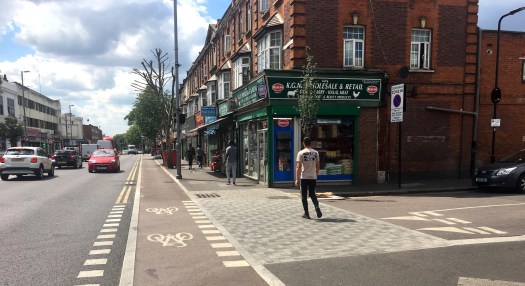
Improvements on Lea Bridge Road introduced alongside the introduction of Low Traffic Neighbourhoods in Waltham Forest. Image: Paul Gasson @AnalogPuss

by Robert Molteno and Jeremy Leach, London Living Streets

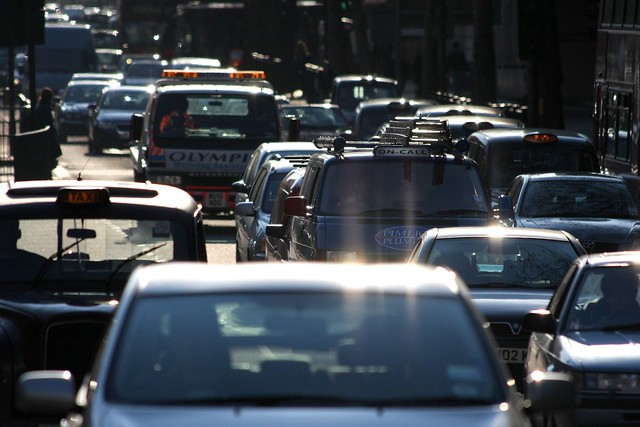
For a number of years, ‘smoothing traffic flow’ was at the heart of roads transport policy in London. This policy of facilitating journeys by motor vehicle infected everything – and negatively from the point of view of Londoners wanting to walk short trips, or cycle, or have clean air. 30mph and higher speed limits were largely unquestioned; pedestrian crossing timings were geared to keeping motor vehicles moving; signalised pedestrian crossings were removed; and roads capacity was increased, for example by adding more lanes, narrowing pavements or building wide turning radii at intersections.

Continue reading “Improving main roads in London”

Council policies to decarbonise London’s road transport

Lea Bridge Road: Waltham Forest giving more space to low-carbon, healthy forms of transport

by Jeremy Leach, Paul Gasson, Robert Molteno and Emma Griffin

In response to public alarm over climate change, nearly two thirds of London councils had declared a climate emergency by October 2019. While it is relatively straightforward for a council to declare an emergency, it is far more challenging to commit to specific interventions that will deliver big cuts in carbon emissions.

Continue reading “Council policies to decarbonise London’s road transport”

Introducing the Central London Walking Network

By David Harrison, vice-chair, London Living Streets

Remember the tube strike in 2017? Full buses and angry and bewildered passengers in long queues at bus stops. I don’t blame them, but many seemed unaware that they could have easily walked to their destination.

Important locations in Central London are often separated by just a short walk. Consider the area round Covent Garden: it’s a 15-minute walk for commuters from Waterloo Station to Covent Garden; about the same for culture vultures to get from the National Gallery to the British Museum along St Martin’s Lane. Continue reading “Introducing the Central London Walking Network”

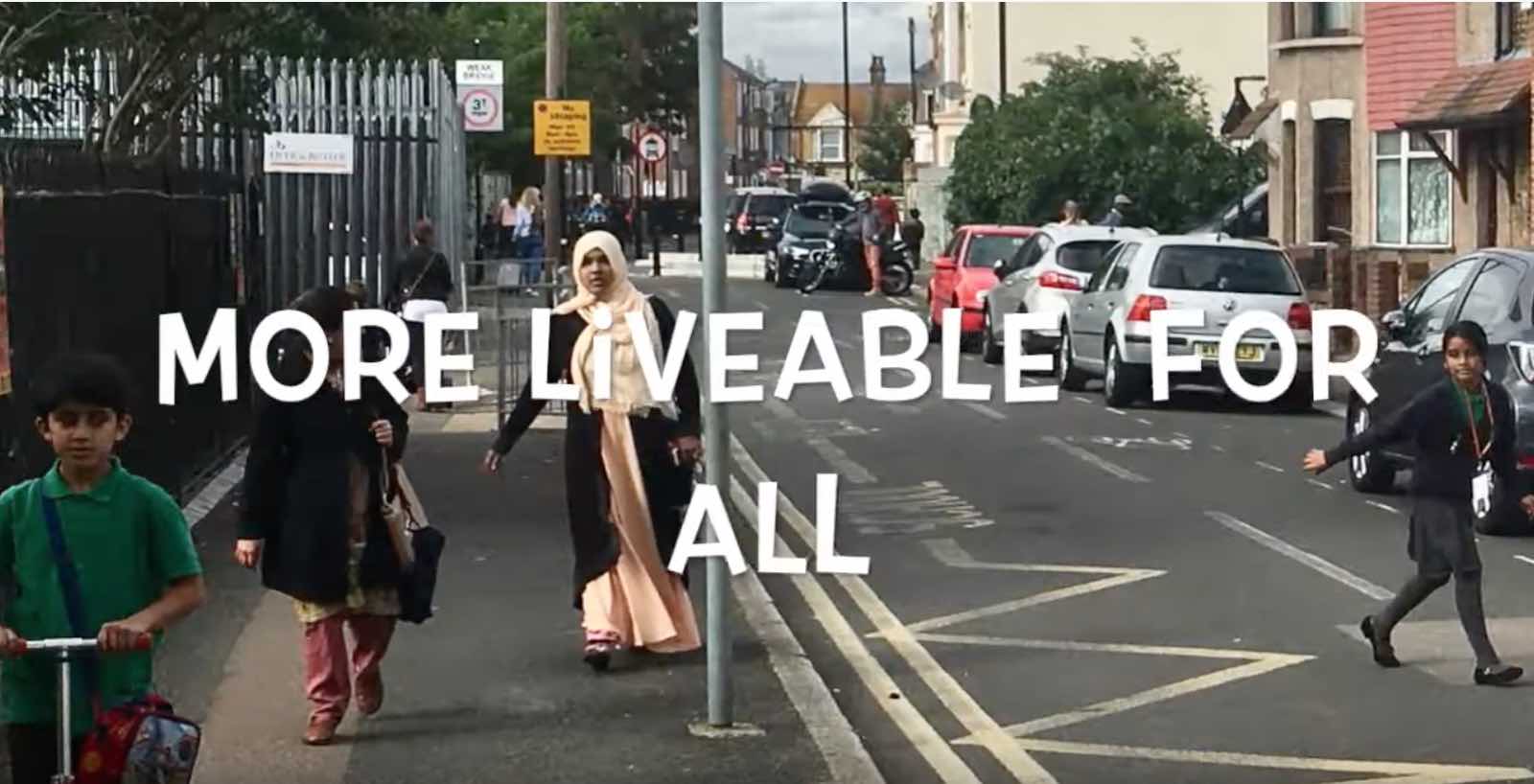
Watch our video to see the difference a low-traffic neighbourhood can make

LTN_Video

Watch the video here.

Are the streets where you live seeing more and more through traffic, especially in the morning rush hour? This is happening when non-local drivers take a short cut through a residential area to get from a major road on one side to the big route on the other. This is happening more and more as motorists used devices like Google Maps and Waze to tell them what is the quickest, least congested route to take. Continue reading “Watch our video to see the difference a low-traffic neighbourhood can make”

London boroughs must act now to reduce emissions from transport. Here’s how.

Flickr.GarryKnightMore than 20 of London’s 32 boroughs have announced a climate emergency, with many setting 2030 as a target date to achieve net zero carbon emissions. But with transport accounting for a third of UK’s carbon dioxide emissions (the large majority from road transport) and falling at a much slower rate than other sectors, councils must take bolder action on transport to meet these targets.
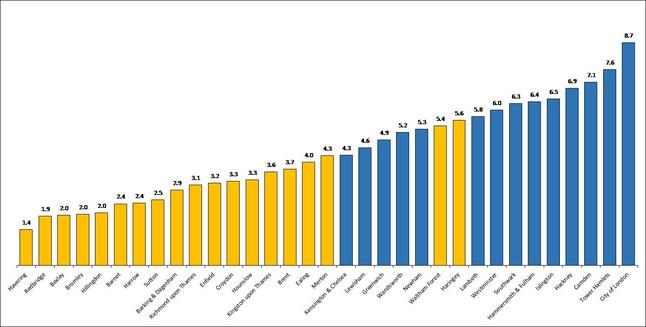
London Living Streets proposes a range of policies and initiatives that London boroughs can implement right now, not only to reduce GHG emissions but also to address issues around public health, air pollution, road casualties and social inequality.

Continue reading “London boroughs must act now to reduce emissions from transport. Here’s how.”

New scorecard reveals gaps in London boroughs’ progress on healthy streets

Overall

London Living Streets and London transport campaigners, London Cycling Campaign, CPRE London, RoadPeace, Sustrans and Campaign for Better Transport London have published a new scorecard that will measure London boroughs’ progress towards the Mayor’s Transport Strategy ‘healthy streets’ targets. 

Continue reading “New scorecard reveals gaps in London boroughs’ progress on healthy streets”

Evaporating traffic? Impact of low-traffic neighbourhoods on main roads

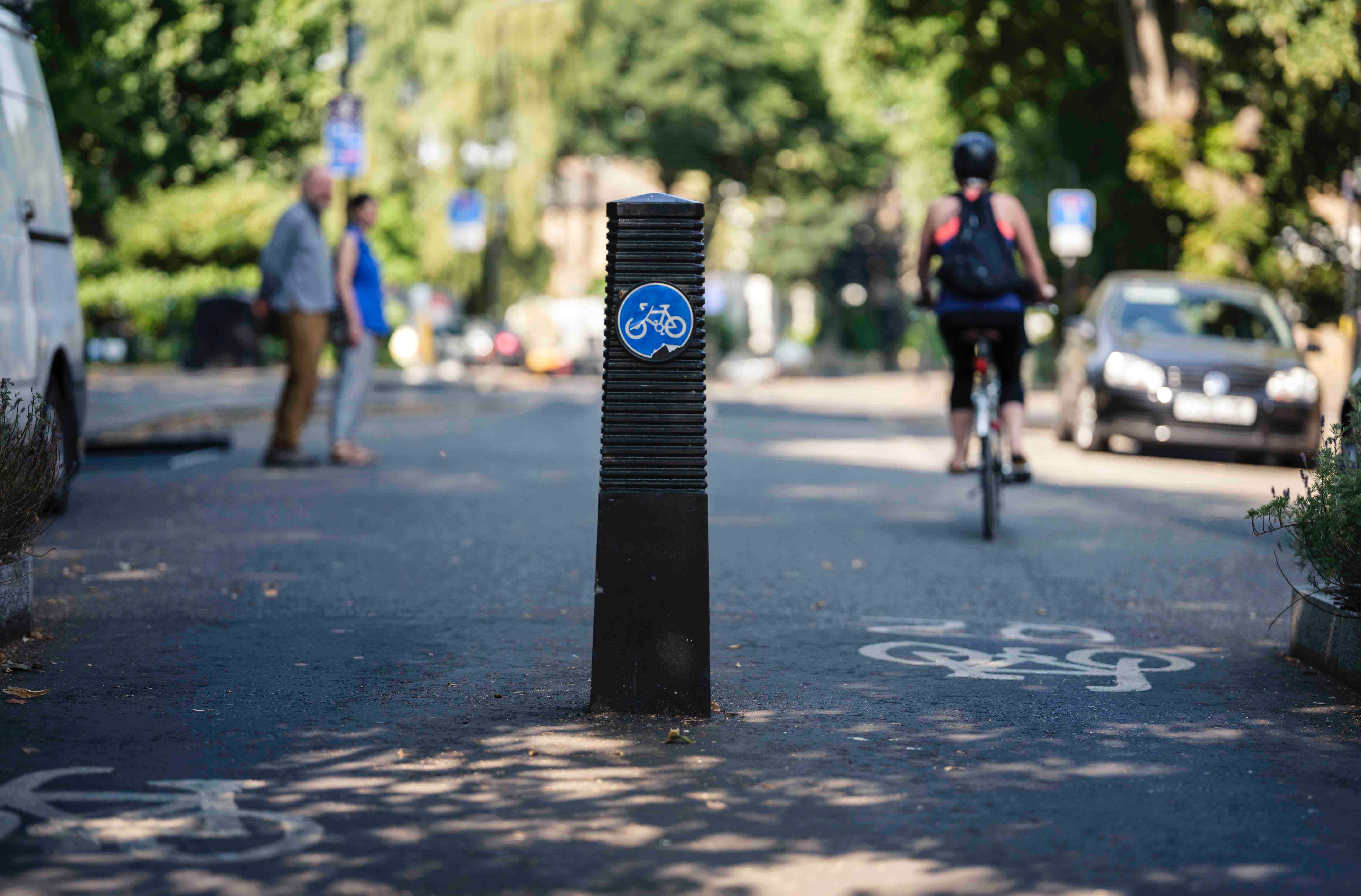
Bollard

By Emma Griffin, vice-chair, London Living Streets

Low-traffic neighbourhoods can be life-changing for the residents who live in them. Since the neighbourhood improvements in Walthamstow Village in 2015, people are walking and cycling more, children play out, air pollution has improved and life expectancy increased. Continue reading “Evaporating traffic? Impact of low-traffic neighbourhoods on main roads”

Pavements under threat in Islington for benefit of motorists

IslingtonEV_lowresIslington Council is consulting on proposals for new electric vehicle charging points. Most of these are proposed to be on the pavement to the detriment of pedestrians and especially those with visual impairments, wheelchair users, and parents and carers pushing buggies. As ever, motorists seem to come first, despite the council’s frequent references to pedestrian priority.

Deadline for consultations on 19 new charge points closes on 12 July 2019. Respond here.  

London Living Streets has argued that there should be a hierarchy of locations: off street first; then in a build-out on the road; and finally and in the last resort on the pavement.

London Living Street’s EV Infrastructure Checklist is available here

The Mayor’s EV Infrastructure Delivery Plan also considers how EV charge points can reduce their “streetscape impact” by being installed on the carriageway or off street in “residential hubs”.

Islington has subverted the hierarchy, filling our streets with Source London chargers which have a bright light and make an irritating noise.  Amazingly, the Council will more or less install a charging point on demand: ‘We will do our best to install charging points where there is known demand but it not always possible due to technical constraints,”  the Council states. But technology is changing all the time, which means residents of the borough will be left with redundant chargers littering the pavements for decades.

Electric Vehicles are presented by the car industry as the ‘green option’, but they still produce dangerous levels of particulates, congestion, endanger the lives of pedestrians, encourage the obesity epidemic and dominate our streets. Parents will not want their children to walk and cycle to school while these conditions continue.

If only walking and cycling schemes were rolled out as quickly.