

By Emma Griffin and David Harrison
In 1854, nine years before the arrival of the Underground, 400,000 people walked into the City of London every day. These walks weren’t the final leg of a journey from a mainline station, or within the centre: they were the entire commute.
Londoners still love to walk, of course (two thirds of all trips are walked in the Square mile). But we walk much shorter distances than our predecessors. Currently only 5% of commuter travel to the City is on foot. The average walk-all-the-way trip across London is less than 1km, according to TfL’s Strategic Walking Analysis.
Continue reading “Central London Footways: a transport network for London’s Covid-19 recovery”


 Last week, the Mayor of London’s Electric Vehicle Infrastructure Taskforce set out its
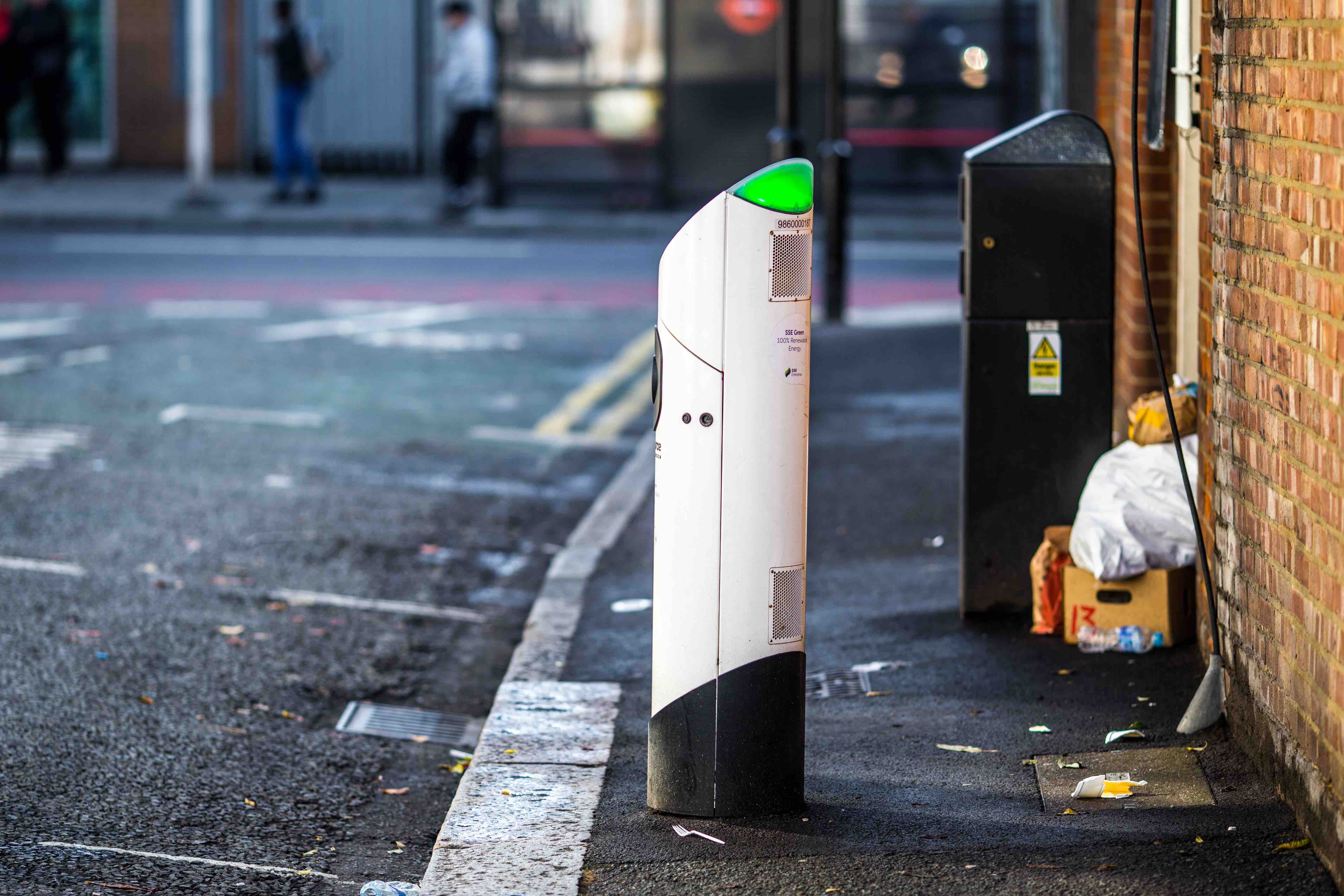
 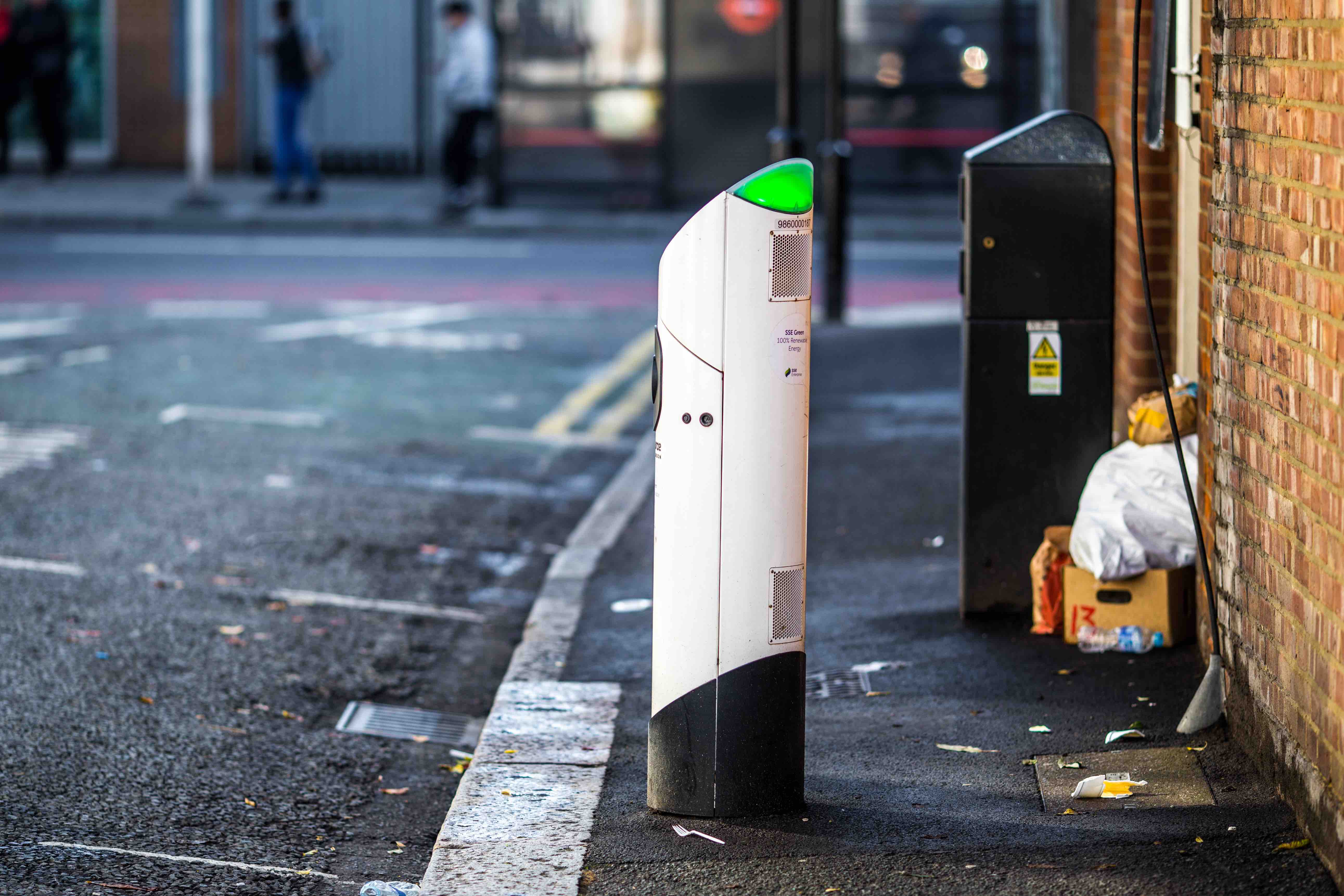 In the rush to foster demand for electric vehicles (EV), London is letting bulky EV charging points (EVCPs) clutter its footways. These installations take up scarce space and make life more difficult for pedestrians, especially those with visual impairments, wheelchair users, and parents and carers pushing buggies.
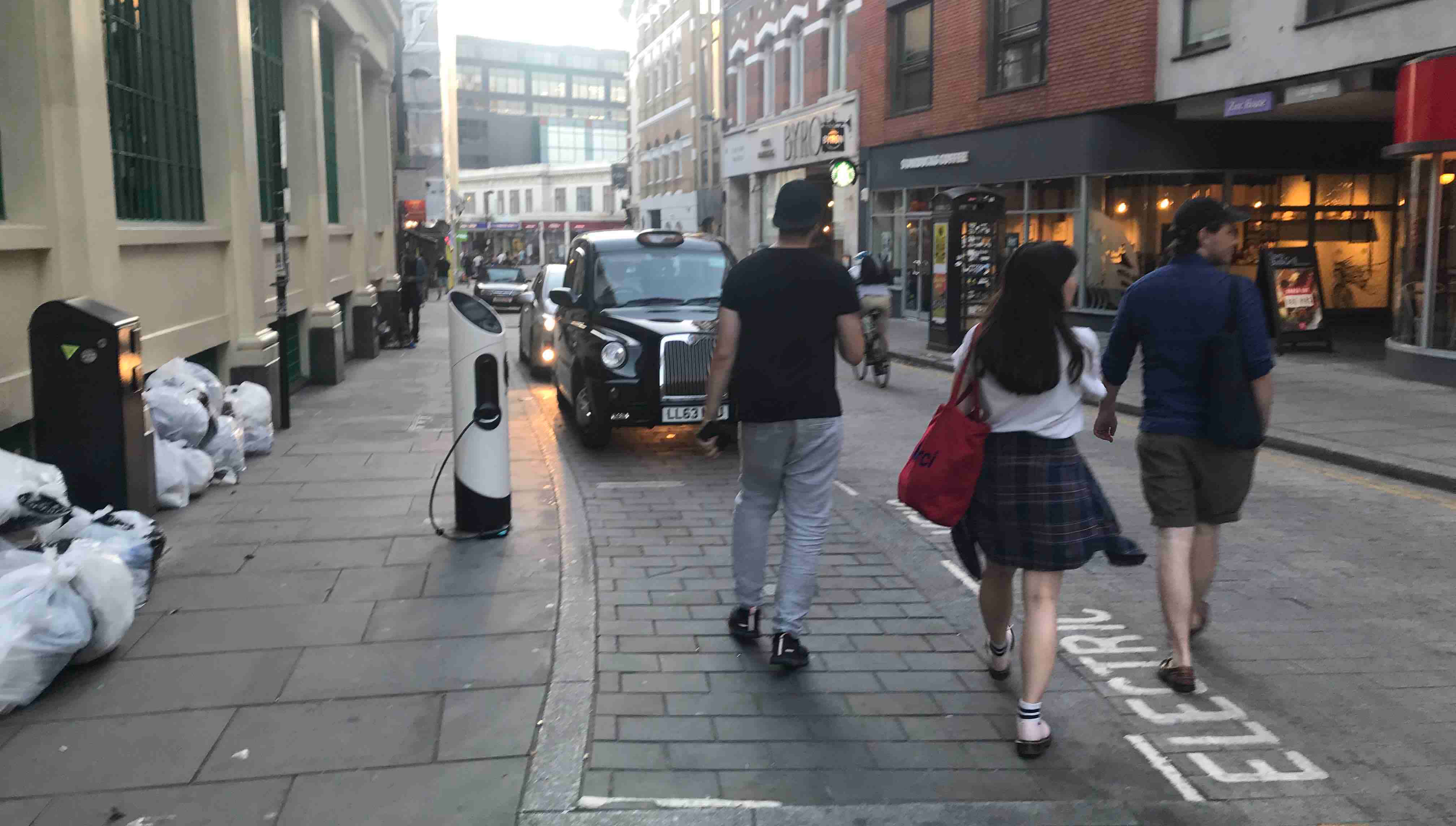 There’s a sense of giddiness in current plans for electric vehicles. Government’s Road to Zero strategy talks excitedly about an “electric vehicle revolution”, “all new cars and vans [being] effectively zero emission by 2040”, a “massive roll-out of infrastructure” and the “biggest technology advancement to hit UK roads since the invention of the combustion engine”.
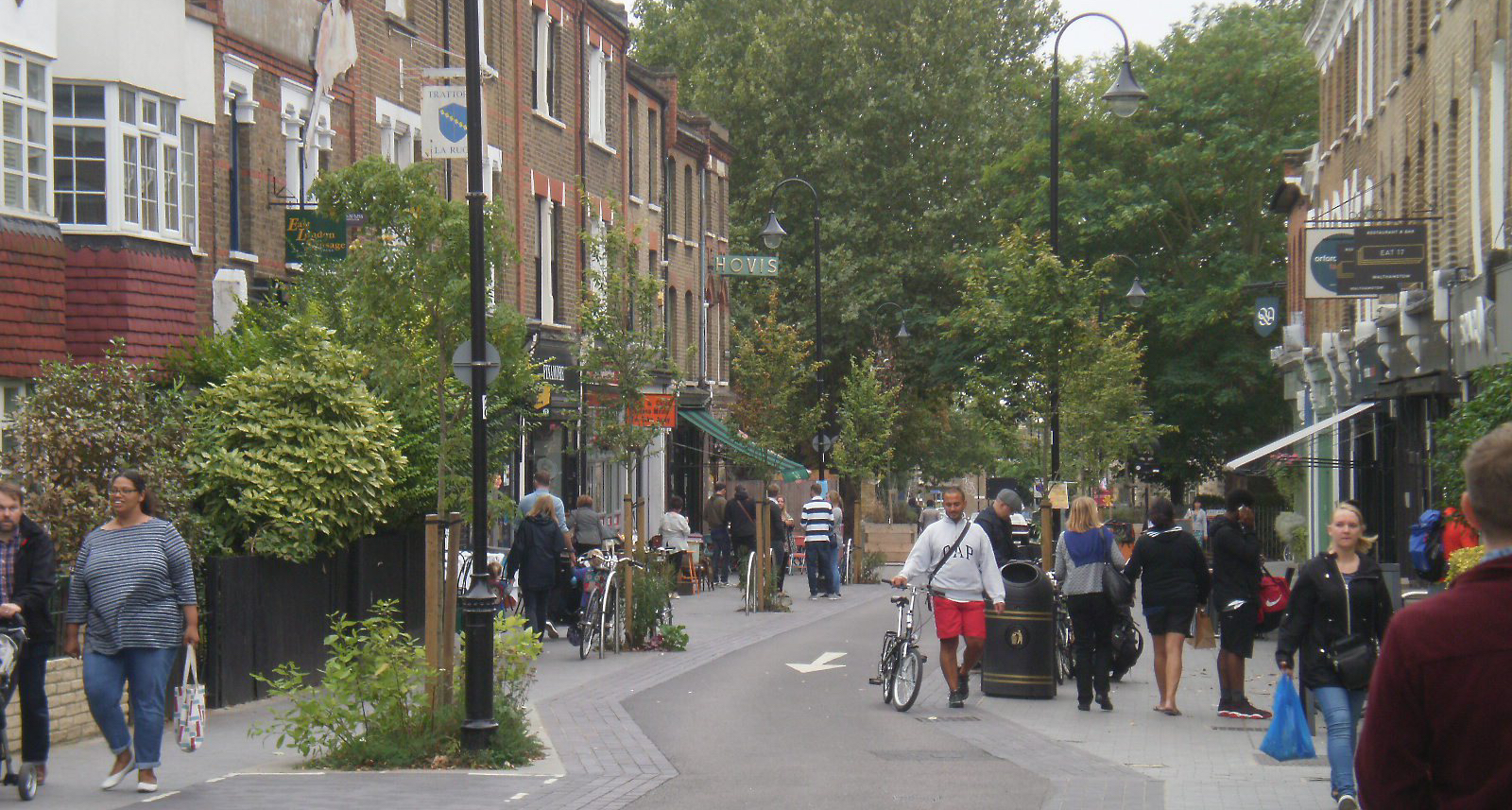 London Living Streets and Urban Design Group are hosting a public event this month to celebrate the progress in improving London’s public realm.
 London Living Streets