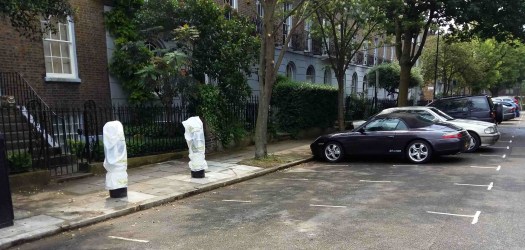
 Islington Council is consulting on proposals for new electric vehicle charging points. Most of these are proposed to be on the pavement to the detriment of pedestrians and especially those with visual impairments, wheelchair users, and parents and carers pushing buggies. As ever, motorists seem to come first, despite the council’s frequent references to pedestrian priority.
Deadline for consultations on 19 new charge points closes on 12 July 2019. Respond here.
London Living Streets has argued that there should be a hierarchy of locations: off street first; then in a build-out on the road; and finally and in the last resort on the pavement.
London Living Street’s EV Infrastructure Checklist is available here.
The Mayor’s EV Infrastructure Delivery Plan also considers how EV charge points can reduce their “streetscape impact” by being installed on the carriageway or off street in “residential hubs”.
Islington has subverted the hierarchy, filling our streets with Source London chargers which have a bright light and make an irritating noise. Amazingly, the Council will more or less install a charging point on demand: ‘We will do our best to install charging points where there is known demand but it not always possible due to technical constraints,” the Council states. But technology is changing all the time, which means residents of the borough will be left with redundant chargers littering the pavements for decades.
Electric Vehicles are presented by the car industry as the ‘green option’, but they still produce dangerous levels of particulates, congestion, endanger the lives of pedestrians, encourage the obesity epidemic and dominate our streets. Parents will not want their children to walk and cycle to school while these conditions continue.
If only walking and cycling schemes were rolled out as quickly.
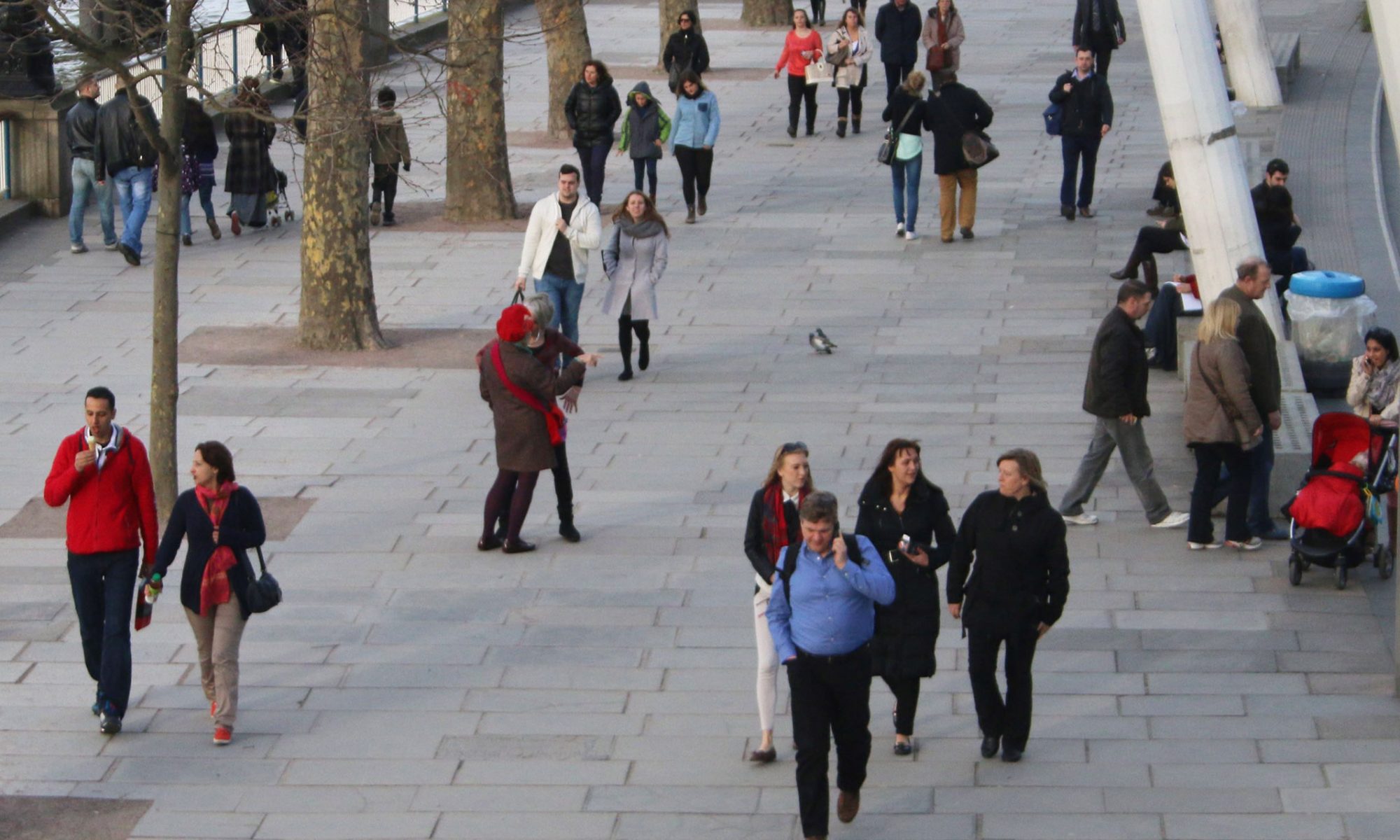
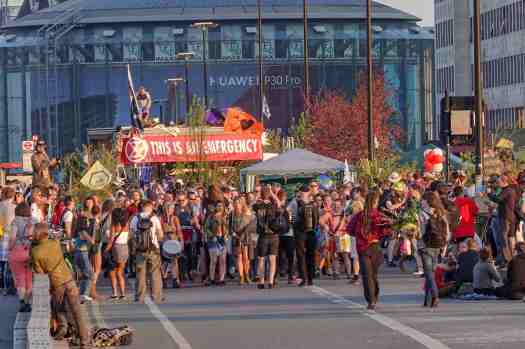
 More than 20 of London’s 32 boroughs have announced a climate emergency, with many setting 2030 as a target date to achieve net zero carbon emissions. But with transport accounting for a third of UK’s carbon dioxide emissions (the large majority from road transport) and falling at a much slower rate than other sectors, councils must take bolder action on transport to meet these targets.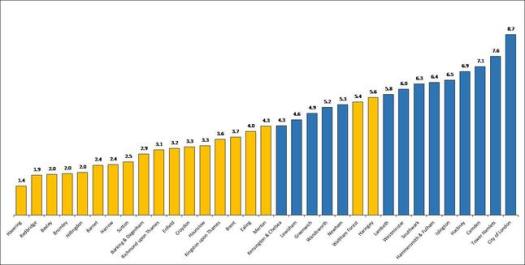
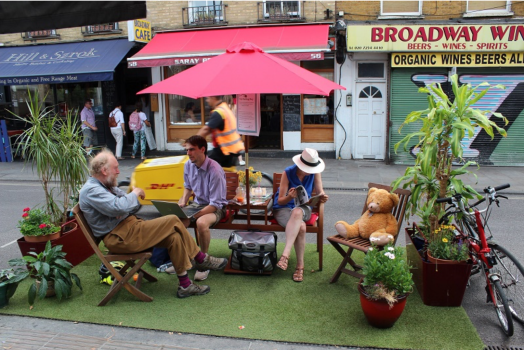 Join a cycle round pioneering parklets in Islington and Hackney as part of London’s National Park City festival on Wednesday July 21st 2019.
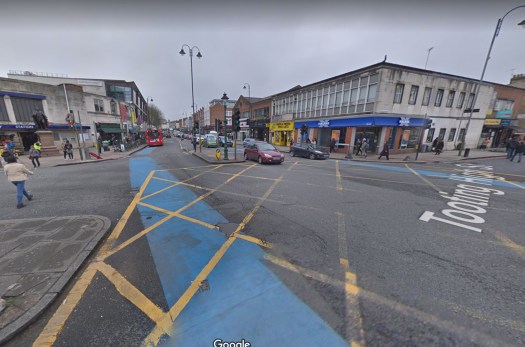 Almost three-quarters of deaths and serious injuries to pedestrians, cyclists and motorcyclists in London occur at junctions. Unsafe or inconvenient crossings result in significant non-compliance by vulnerable road users – sometimes over 50% – leading to more collisions and injuries.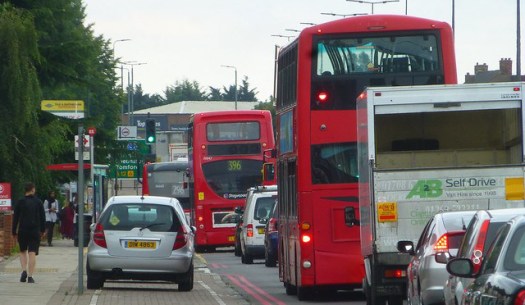

 London Living Streets