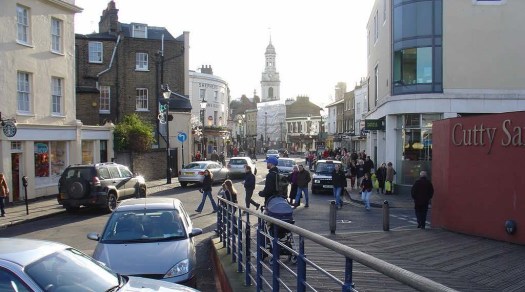
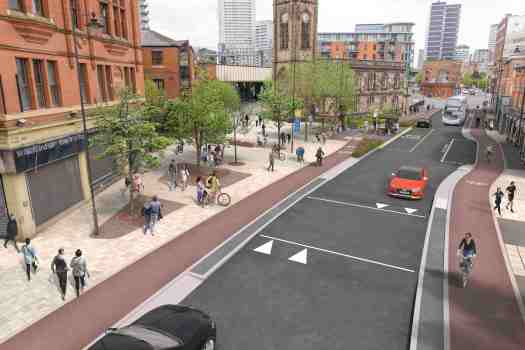
The deadline approaches for comments on Greenwich’s Liveable Neighbourhood plans to remove the town centre’s gyratory and make the north and east sides traffic-free.
You’ve been here before. You are trying to explain the subtleties of a local walking strategy and its application to real place making and improvements to your own street. Across the table the official traffic experts just doesn’t get it. Totally impossible. Won’t work. Against the Regs. What you need is a decent big road. Built to proper standards. The result? No place-making.
The deadline for a number of transport consultations is approaching and we urge you to respond. Some are fantastic and really need our support. Remember motoring groups will be responding in numbers to block improvements for pedestrians.
The most pressing deadlines are for:
Oxford Street District. Closes this Sunday, 16 December 2018
The world’s first traffic light was installed 150 years ago this week. It went up outside the Houses of Parliament following a large number of deaths on London’s horse, cart and omnibus-filled streets. That gas-powered signal — both dangerous and mostly ignored — soon went out of action and wasn’t replaced by electric versions until the 1920s.
Since then traffic lights have become ubiquitous and a vital feature of our car-dominated transport networks. Until now they have also been designed to keep motor traffic moving, not people walking.
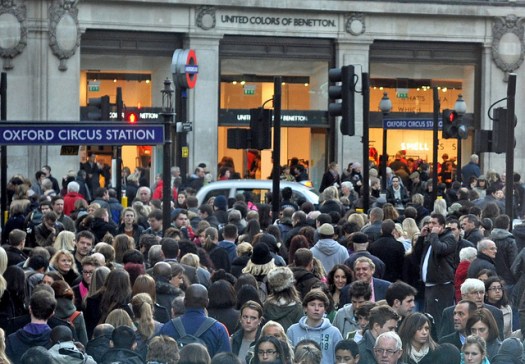
Westminster City Council has opened a public consultation into the future of the Oxford Street district this week.
After plans for pedestrianisation were put on hold by the council earlier this year, calls were made for urgent action to tackle the major problems facing Oxford Street, which will become even more acute when the Elizabeth Line opens.
Living Streets, the national charity for everyday walking and London Living Streets has campaigned for the pedestrianisation of Oxford Street for years and now wants to see radical plans to improve the street and surrounding neighbourhoods.
Inspired by the direct action of Hackney Living Streets campaigner, Brenda Puech, Hackney Council is launching a trial today that allows Hackney residents to turn kerbside parking spaces into mini parks, or ‘parklets’.
In a bid to reduce ‘the dominance of cars on our roads’, Hackney Council is inviting residents to submit ideas for community parklets that could include planters, benches, games, notice boards or ‘anything that your creativity and inventiveness can come up with’.
The following letter from London Living Streets vice chairman, David Harrison appeared in the Evening Standard, 9 July 2018.
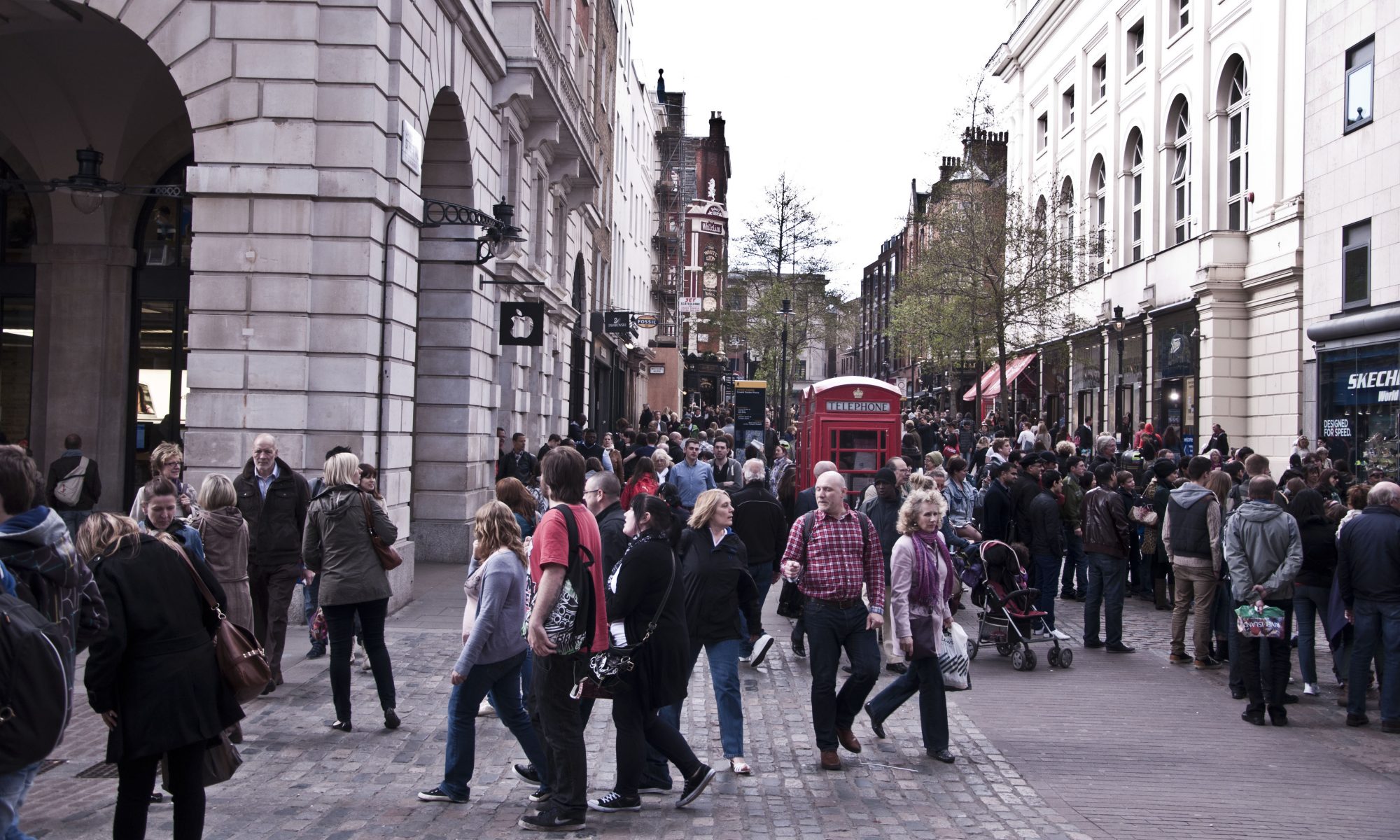
Chris Haywood and the City of London Corporation are to be congratulated on their determination [“Pedestrian areas mulled to ease City of London overcrowding,” July 2] to address the Eastern Cluster, and especially the increasingly crowded streets around Bishopsgate and Liverpool Street station, by pedestrianisation and improving walking routes and crossings. Almost 500,000 people work in the City and the number is increasing.
Research published in the Journal of Transportation Research shows spectacular increases in walking and cycling as a result of Waltham Forest mini Holland programme.
By Emma Griffin, London Living Streets website manager
London Living Streets is thrilled to see Greater Manchester’s ambitious plans to create a city region for people, not vehicles.
The Beelines proposal, announced today by Greater Manchester’s cycling and walking commissioner Chris Boardman, is welcome for its focus on crossings to create a joined-up, safe walking and cycling network across the region; and filtered, or low-traffic neighbourhoods. These priorities match many of our campaign interests.
The Islington Gazette reports that work to remove the intimidating 1960s roundabout and create wider pavements for pedestrians, a new public space and segregated cycle lanes will begin w/c 25 June.
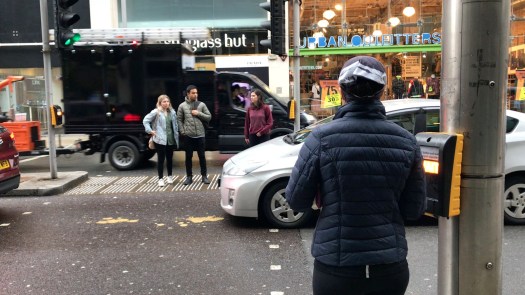 The world’s first traffic light was installed 150 years ago this week. It went up outside the Houses of Parliament following a large number of deaths on London’s horse, cart and omnibus-filled streets. That gas-powered signal — both dangerous and mostly ignored — soon went out of action and wasn’t replaced by electric versions until the 1920s.
  Westminster City Council has opened a public
 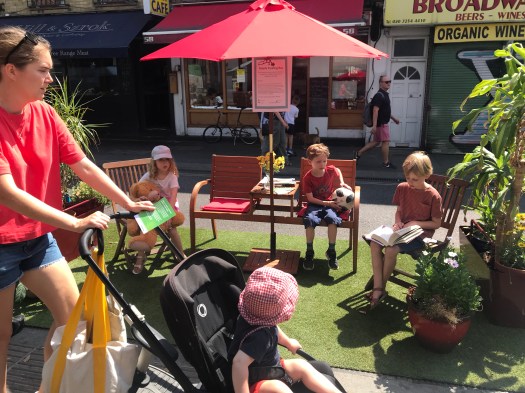 Inspired by the direct action of Hackney Living Streets campaigner, Brenda Puech, Hackney Council is launching a trial today that allows Hackney residents to turn kerbside parking spaces into mini parks, or ‘parklets’.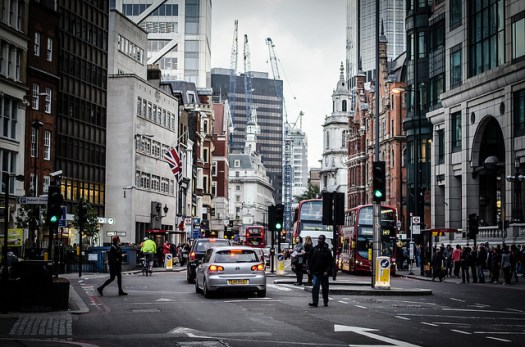
 London Living Streets is thrilled to see Greater Manchester’s ambitious plans to create a city region for people, not vehicles.
