London Living Streets and Covid-19

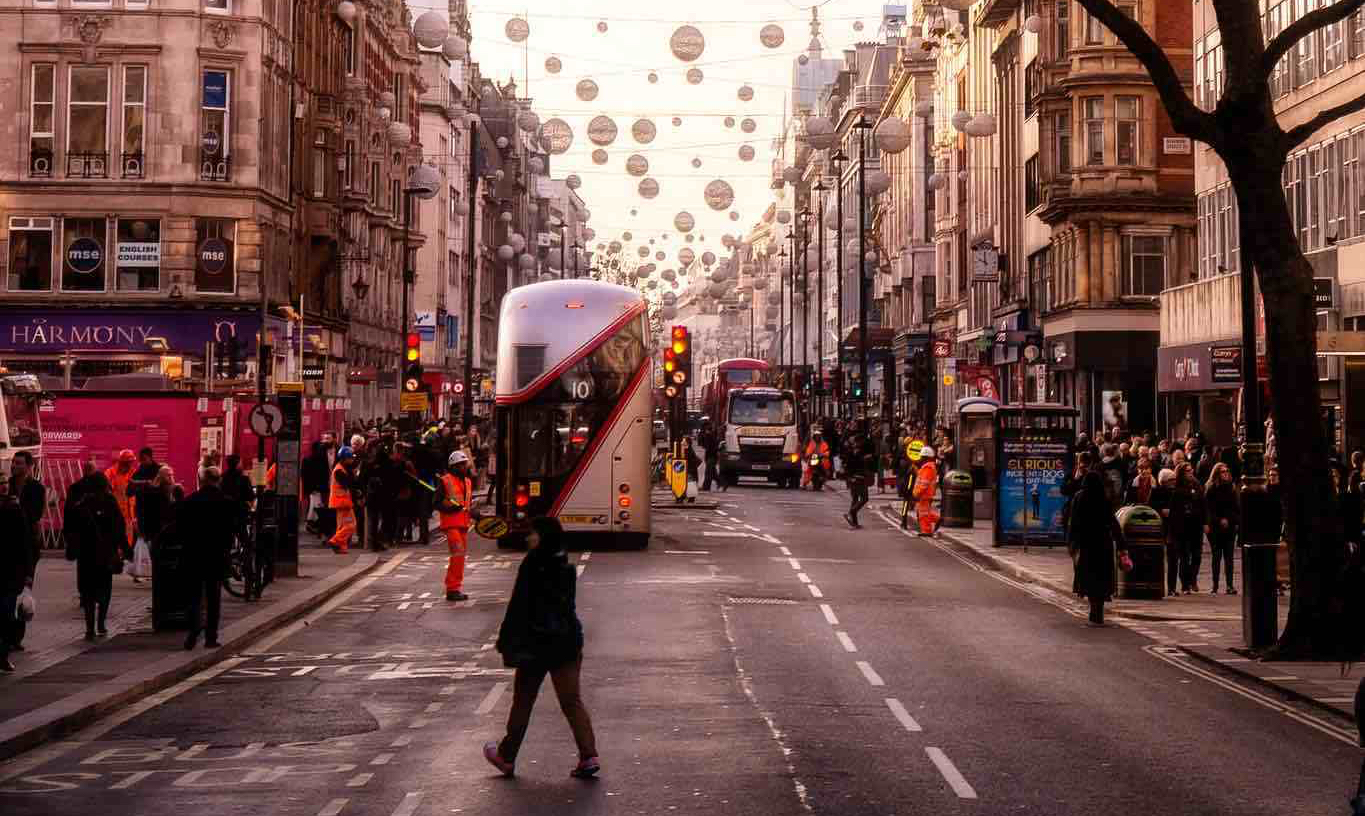
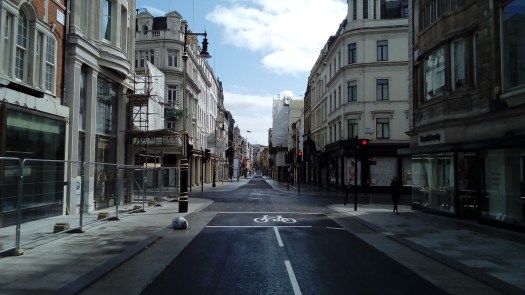
Deserted New Bond Street

London under lockdown has become a very different place from the one we were familiar with. The need for restricted movement and social distancing has already resulted in the postponement of a huge number of events including the launch of Transport for London’s Strategic Walking Analysis that we were due to host on 16th March.

While we are all struck by the damage that the virus is causing, we have seen a dramatic fall in air pollution as a result of the greatly reduced volume of motor traffic since the lockdown started. However, the need to maintain a safe distance has highlighted just how little of our street space is given over to walking. Narrow pavements and frequent obstructions mean that when we make our essential journeys we are often having to move into the carriageway to avoid passing close to other people. Even with less motor traffic on the roads, this can feel very uncomfortable and unsafe. Detective Superintendent Andy Cox of the Metropolitan Police along with his team of officers is doing a fantastic job to communicate that they have no tolerance for drivers who speed or break the law. We would like to see all authorities re-enforce this with a message that drivers should look out for people on the road and share the space cheerfully and with good grace.

The national Living Streets website has comprehensive advice on when and how to walk with support for those who are wanting to walk to make those vital daily trips.
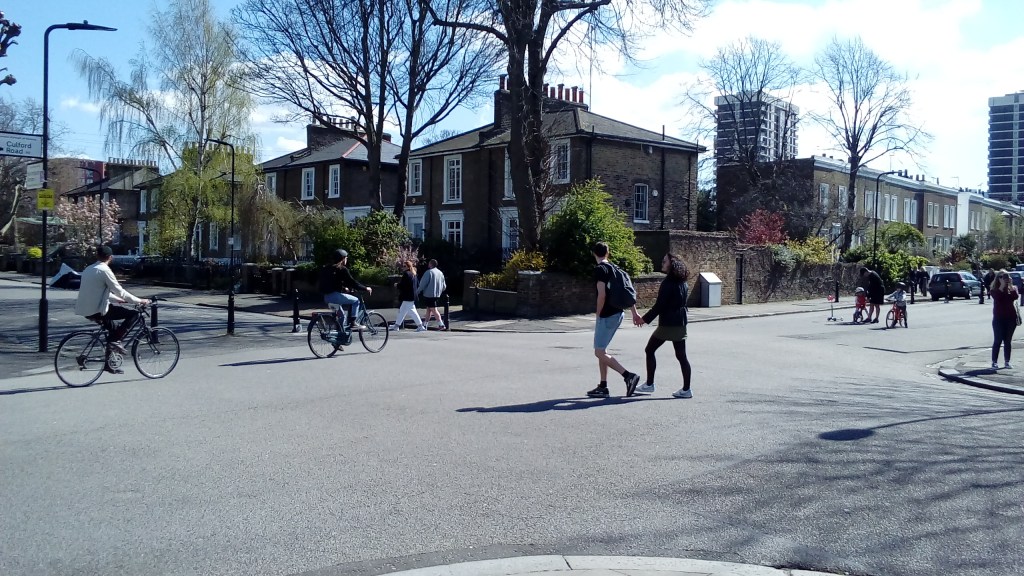
People on foot and cycles able to move freely on filtered streets in DeBeauvoir Town

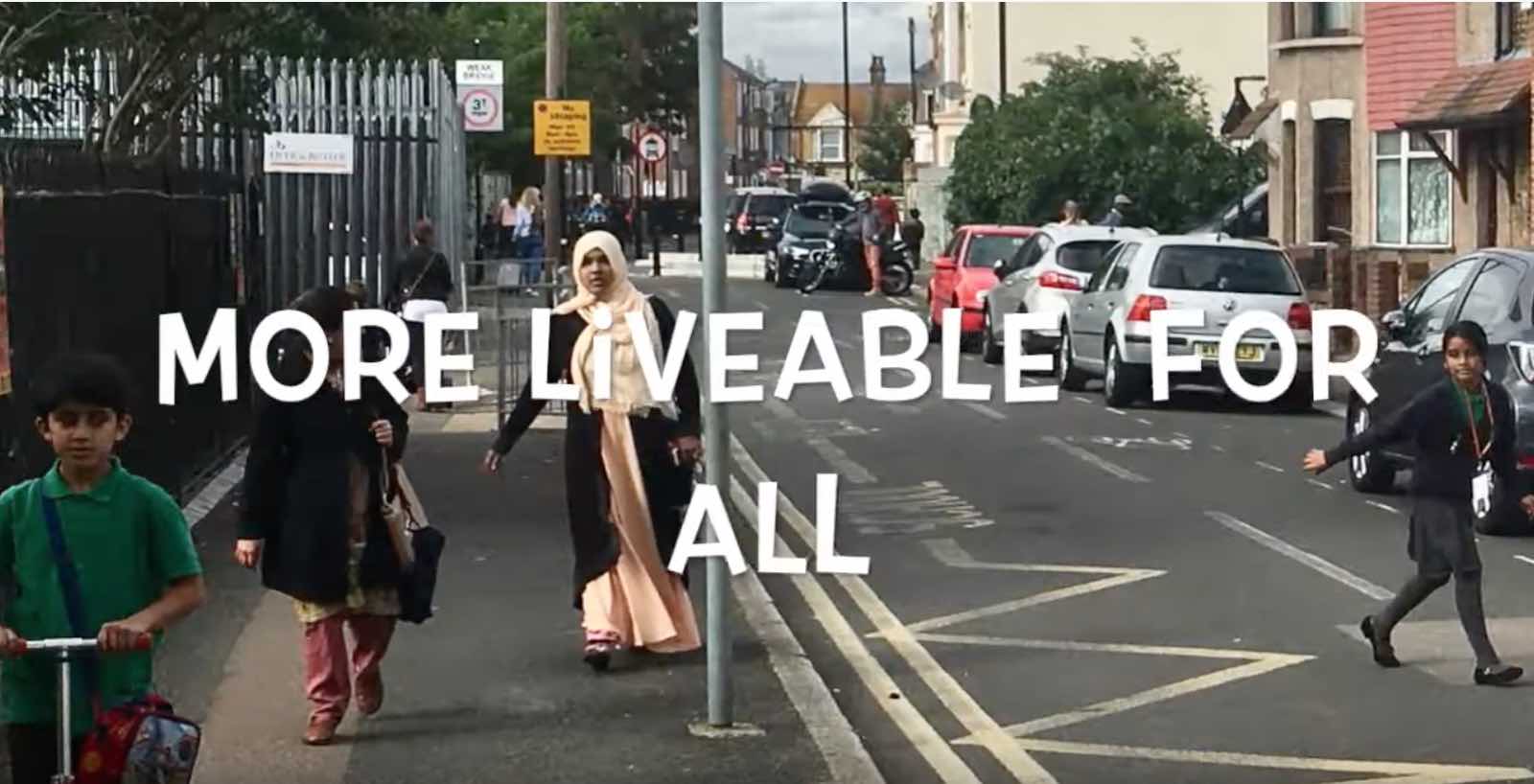
Watch our video to see the difference a low-traffic neighbourhood can make

LTN_Video

Watch the video here.

Are the streets where you live seeing more and more through traffic, especially in the morning rush hour? This is happening when non-local drivers take a short cut through a residential area to get from a major road on one side to the big route on the other. This is happening more and more as motorists used devices like Google Maps and Waze to tell them what is the quickest, least congested route to take. Continue reading “Watch our video to see the difference a low-traffic neighbourhood can make”

Low-traffic neighbourhoods: event report

By David Harrison, vice-chair, London Living Streets

ltn_event.jpg

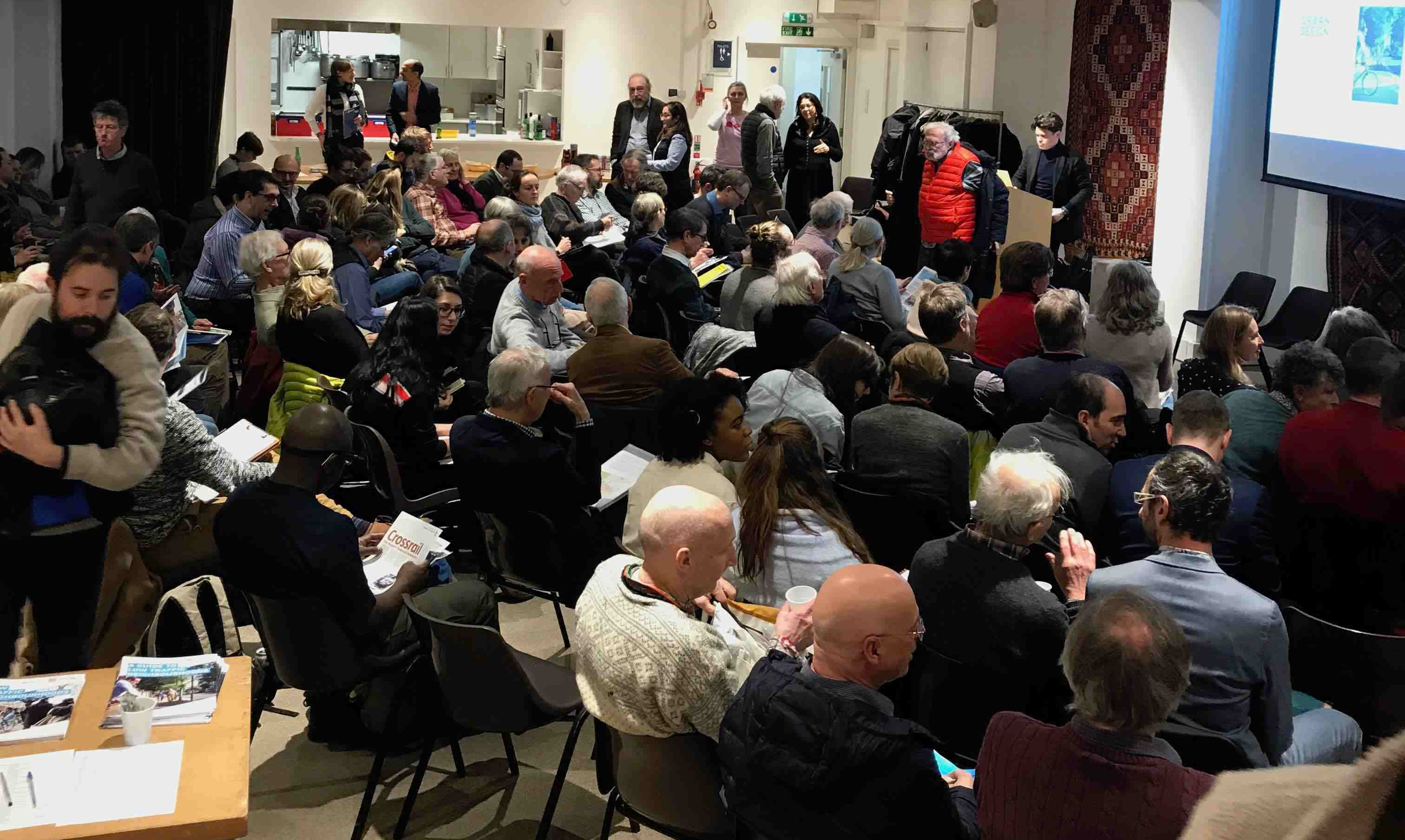
It was a bitterly cold evening in January, but a capacity crowd of more than 100 people gathered for the official launch by London Living Streets and the Urban Design Group of two guides on low-traffic neighbourhoods.

The guides, published by Living Streets and London Cycling Campaign, include an introduction for policy-makers and campaigners and a more detailed ‘how to’ guide for council officers. Access them here.

Continue reading “Low-traffic neighbourhoods: event report”

Oxford Street proposals could go further

OxfordStreet_lowWestminster City Council has opened a public consultation into the future of the Oxford Street district this week.  
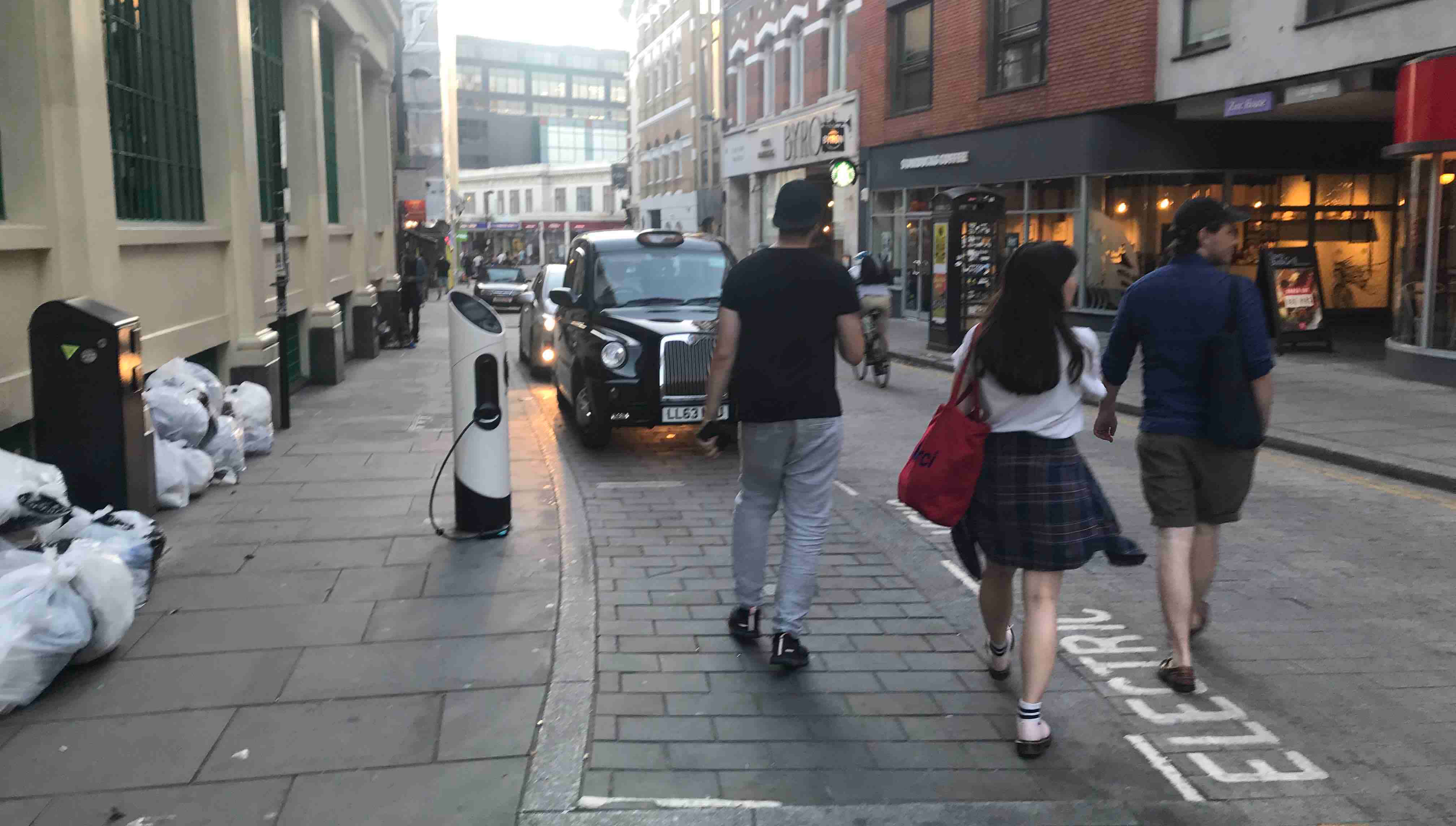
After plans for pedestrianisation were put on hold by the council earlier this year, calls were made for urgent action to tackle the major problems facing Oxford Street, which will become even more acute when the Elizabeth Line opens.

Living Streets, the national charity for everyday walking and London Living Streets has campaigned for the pedestrianisation of Oxford Street for years and now wants to see radical plans to improve the street and surrounding neighbourhoods.

Living Streets and London Living Streets has proposed a number of ideas to tackle these issues such as:

Continue reading “Oxford Street proposals could go further”

Are electric vehicles a threat to cities? Conference report

By Emma Griffin, vice-chair, London Living Streets

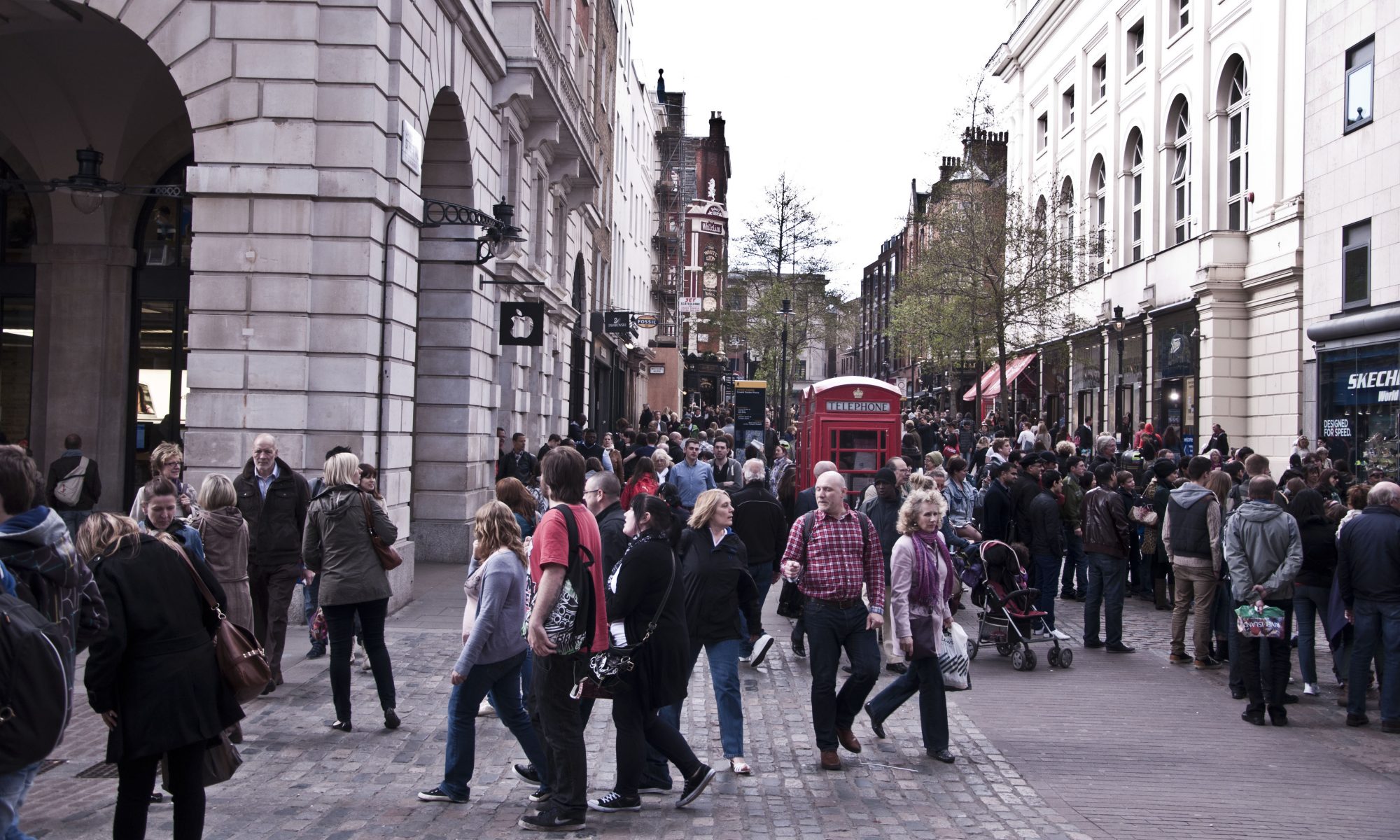
Cowcross_lowresThere’s a sense of giddiness in current plans for electric vehicles. Government’s Road to Zero strategy talks excitedly about an “electric vehicle revolution”, “all new cars and vans [being] effectively zero emission by 2040”, a “massive roll-out of infrastructure” and the “biggest technology advancement to hit UK roads since the invention of the combustion engine”.
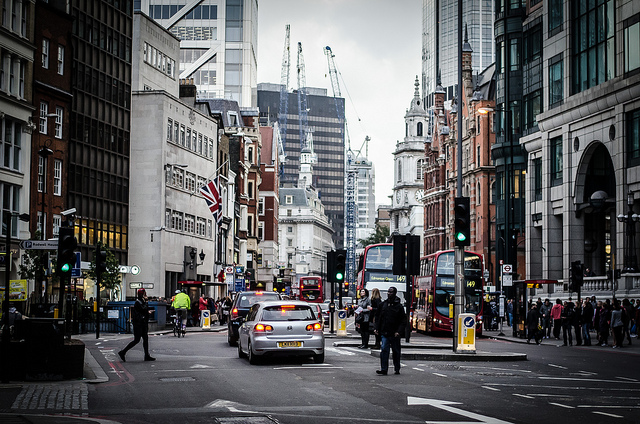
These aspirations were put under closer scrutiny at a conference organised by London Living Streets and Urban Design Group on October 11.

Continue reading “Are electric vehicles a threat to cities? Conference report”

City needs to be walker-friendly

8153903544_5d6c6c5f10_z

The following letter from London Living Streets vice chairman, David Harrison appeared in the Evening Standard, 9 July 2018.

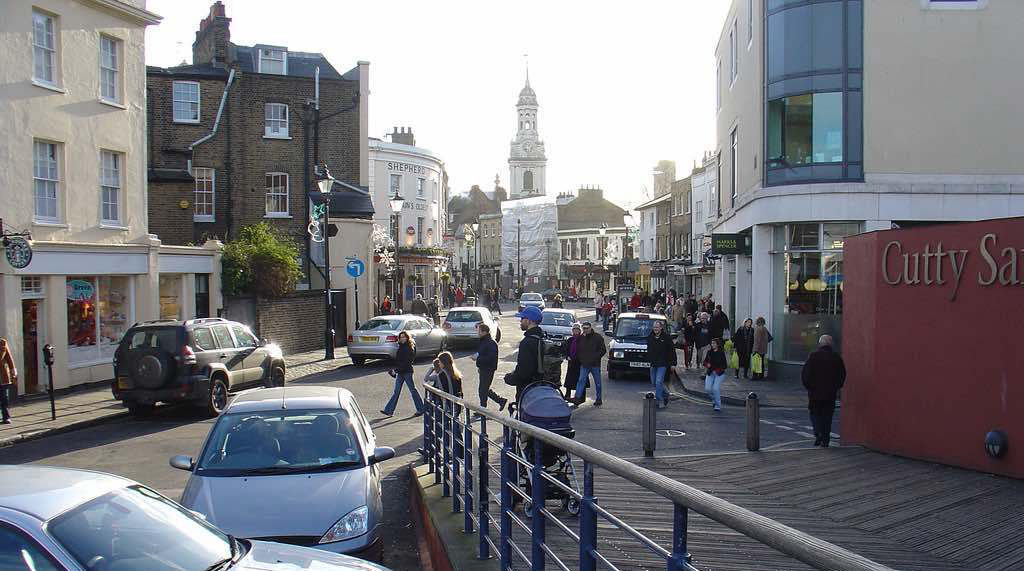
Chris Haywood and the City of London Corporation are to be congratulated on their determination [“Pedestrian areas mulled to ease City of London overcrowding,” July 2] to address the Eastern Cluster, and especially the increasingly crowded streets around Bishopsgate and Liverpool Street station, by pedestrianisation and improving walking routes and crossings. Almost 500,000 people work in the City and the number is increasing.

Continue reading “City needs to be walker-friendly”

Greater Manchester plans UK’s largest walking and cycling network

By Emma Griffin, London Living Streets website manager

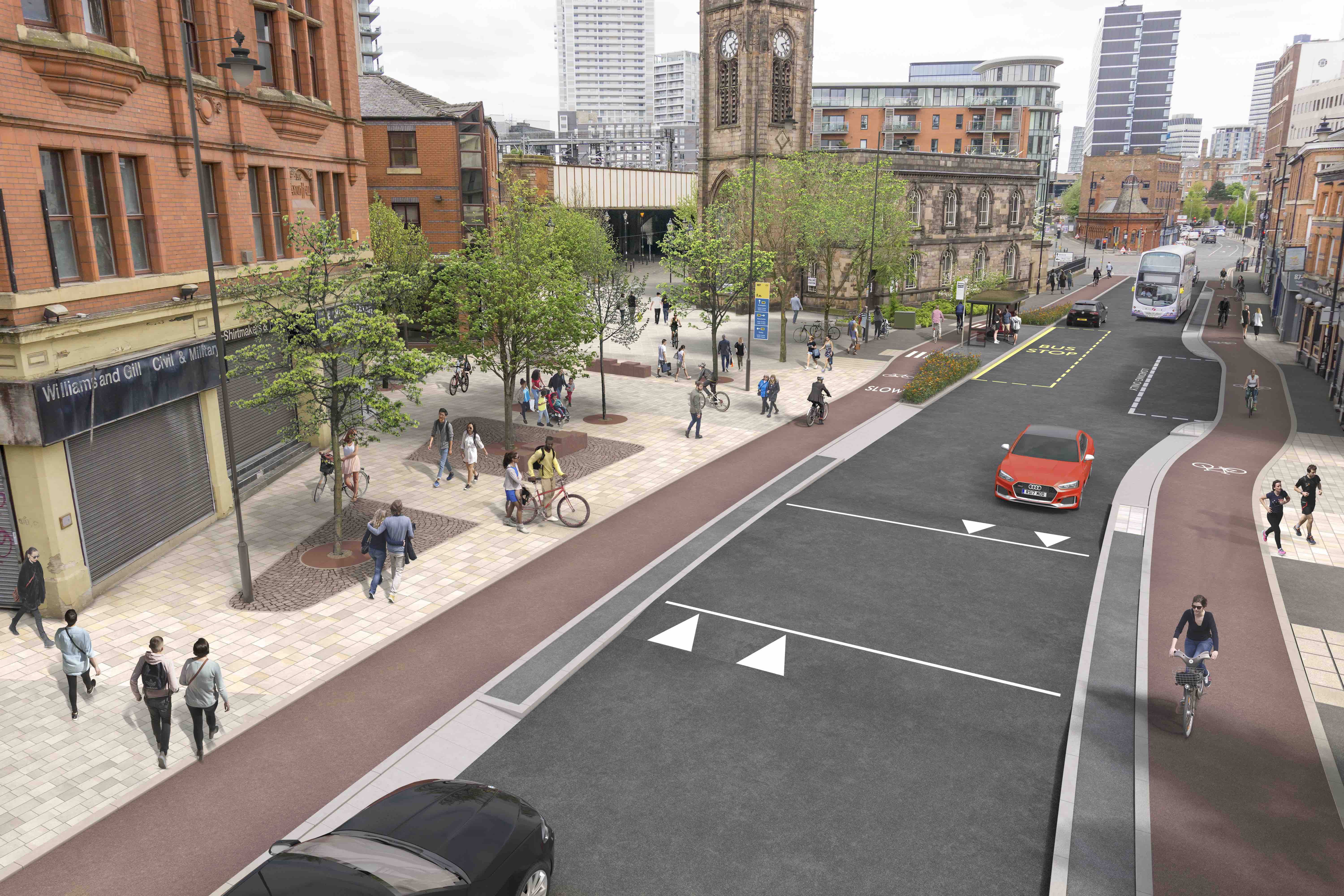
Small_Chapel StreetLondon Living Streets is thrilled to see Greater Manchester’s ambitious plans to create a city region for people, not vehicles.

The Beelines proposal, announced today by Greater Manchester’s cycling and walking commissioner Chris Boardman, is welcome for its focus on crossings to create a joined-up, safe walking and cycling network across the region; and filtered, or low-traffic neighbourhoods. These priorities match many of our campaign interests.

Continue reading “Greater Manchester plans UK’s largest walking and cycling network”

Flower power: Chelsea’s streets come alive in bloom

by Colin J Davis, of Streetscapes.online and author of Streetscapes: how to design and deliver great streets


This slideshow requires JavaScript.

Our campaign is for healthier, happier and more livable streets. What could be more uplifting than the splendid displays of flowers in, on and around the shop fronts of Chelsea during the week of the flower show?

Picking up the theme of love, emphasised at the royal wedding at Windsor the previous weekend, the Chelsea in Bloom displays were very individual but with firm coordination.

Continue reading “Flower power: Chelsea’s streets come alive in bloom”