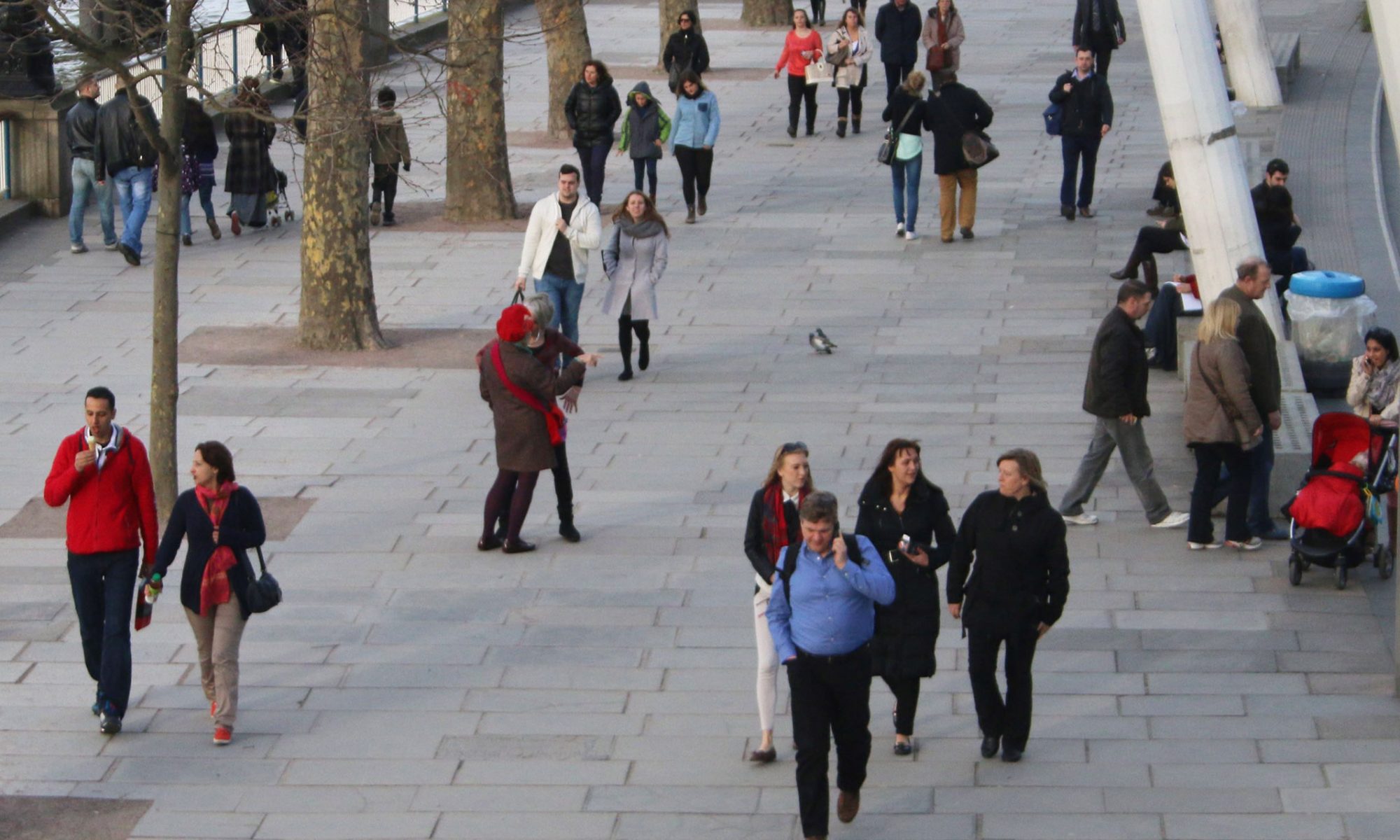
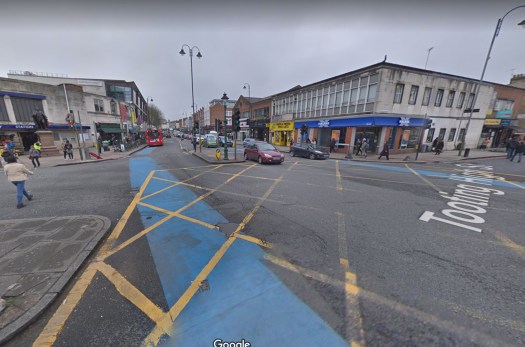
 Almost three-quarters of deaths and serious injuries to pedestrians, cyclists and motorcyclists in London occur at junctions. Unsafe or inconvenient crossings result in significant non-compliance by vulnerable road users – sometimes over 50% – leading to more collisions and injuries.
Will the next Mayor of London commit to per-mile road user charging?
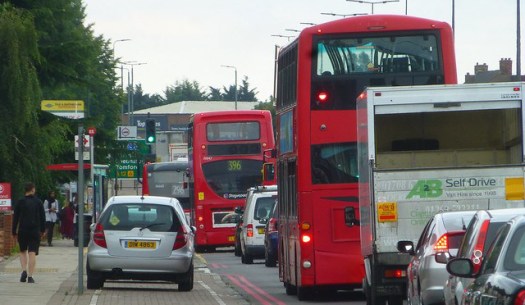
Something important has just happened. On April 29, London’s think tank, the Centre for London, launched the first ever, detailed proposal on why and how road user charging should be introduced in London. Read its excellent report here: Green Light: Next Generation Road User Charging for a Healthier, more Liveable London. Continue reading “Will the next Mayor of London commit to per-mile road user charging?”
Climate emergency policies for active travel
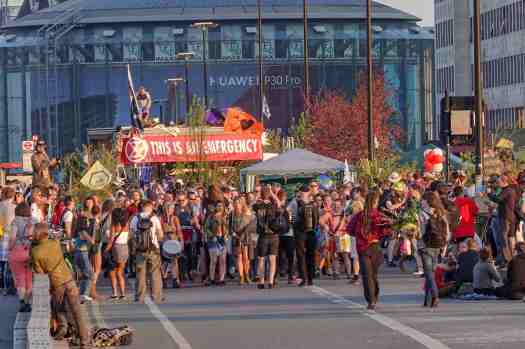
The science is clear, the protests are unavoidable: the world is facing a climate breakdown. Last year, the Mayor of London declared a “climate emergency“, with many London councils following suit. Time is running out to create policies that confront this emergency.
Given transport is a major source of carbon emissions and the one sector where emissions have failed to decline over the past 30 years, fast-tracking investment in a shift to walking (the most sustainable travel mode) and away from private motor vehicles is of critical importance. Continue reading “Climate emergency policies for active travel”
New checklist urges councils to move EV infrastructure off street
 In the rush to foster demand for electric vehicles (EV), London is letting bulky EV charging points (EVCPs) clutter its footways. These installations take up scarce space and make life more difficult for pedestrians, especially those with visual impairments, wheelchair users, and parents and carers pushing buggies.
These installations are also inconsistent with the Mayor of London’s Transport Strategy that requires a major modal shift to walking, cycling and public transport by reducing the use of motor vehicles, creating Healthy Streets, improving public realm and reallocating space for more efficient, active travel modes. Placing EV infrastructure on pavements is a move in the opposite direction.
London Living Streets is calling on councils to set out a policy for slow and rapid EV charging infrastructure, as a number have already done. The policy should follow the EV Infrastructure Checklist (available here) that prioritises EVCP locations for slow and rapid charging in the following order: Continue reading “New checklist urges councils to move EV infrastructure off street”
Our response to City of Westminster Strand Aldwych consultation
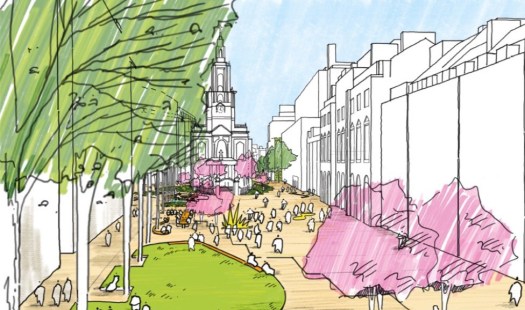
Westminster City Council has unveiled ambitious plans to transform the busy area around Aldwych and the Strand, making it a safer and more attractive place for people on foot. Our response is below and here.
Continue reading “Our response to City of Westminster Strand Aldwych consultation”
Low-traffic neighbourhoods: event report
By David Harrison, vice-chair, London Living Streets
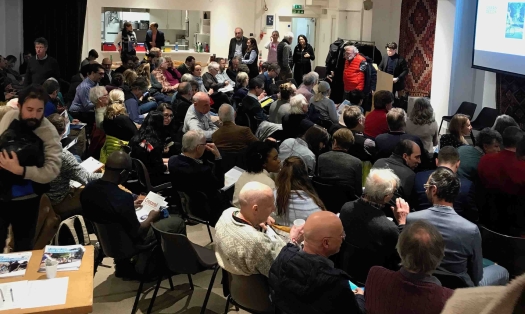
It was a bitterly cold evening in January, but a capacity crowd of more than 100 people gathered for the official launch by London Living Streets and the Urban Design Group of two guides on low-traffic neighbourhoods.
The guides, published by Living Streets and London Cycling Campaign, include an introduction for policy-makers and campaigners and a more detailed ‘how to’ guide for council officers. Access them here.
Respond now to support proposals to transform Greenwich town centre
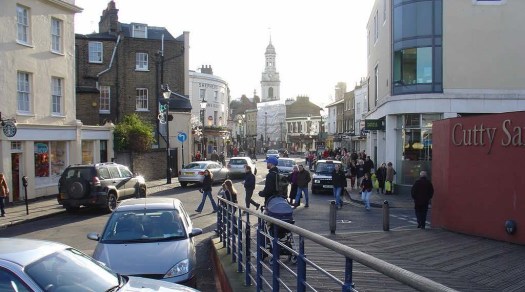
The deadline approaches for comments on Greenwich’s Liveable Neighbourhood plans to remove the town centre’s gyratory and make the north and east sides traffic-free.
Continue reading “Respond now to support proposals to transform Greenwich town centre”
Streetscapes: new book on how to design and deliver great streets
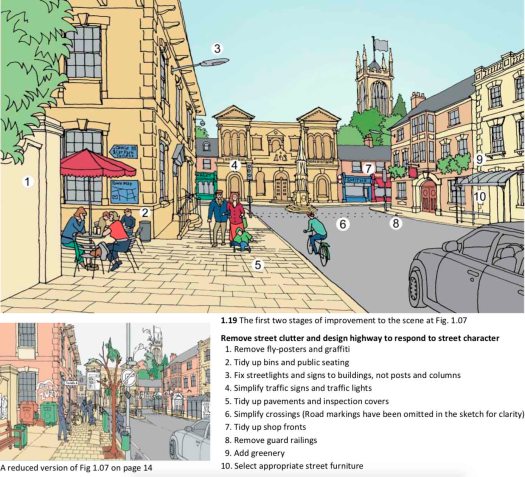
You’ve been here before. You are trying to explain the subtleties of a local walking strategy and its application to real place making and improvements to your own street. Across the table the official traffic experts just doesn’t get it. Totally impossible. Won’t work. Against the Regs. What you need is a decent big road. Built to proper standards. The result? No place-making.
Continue reading “Streetscapes: new book on how to design and deliver great streets”
Deadlines approach for London borough transport consultations: respond now!
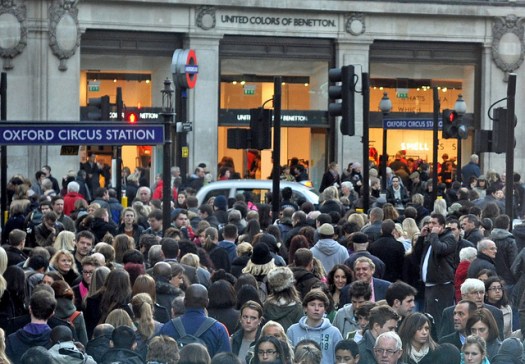
The deadline for a number of transport consultations is approaching and we urge you to respond. Some are fantastic and really need our support. Remember motoring groups will be responding in numbers to block improvements for pedestrians.
The most pressing deadlines are for:
Oxford Street District. Closes this Sunday, 16 December 2018
Access here: Oxford Street District Consultation for the Draft Place Strategy and Delivery Plan.
Continue reading “Deadlines approach for London borough transport consultations: respond now!”
150 years old and the traffic signal finally finds time for walkers
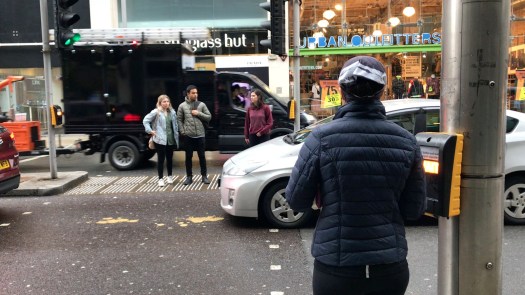 The world’s first traffic light was installed 150 years ago this week. It went up outside the Houses of Parliament following a large number of deaths on London’s horse, cart and omnibus-filled streets. That gas-powered signal — both dangerous and mostly ignored — soon went out of action and wasn’t replaced by electric versions until the 1920s.
Since then traffic lights have become ubiquitous and a vital feature of our car-dominated transport networks. Until now they have also been designed to keep motor traffic moving, not people walking.
To mark this 150-year anniversary, London Living Streets is revealing its work with Transport for London (TfL) to improve how signalised crossings work for those on foot. Continue reading “150 years old and the traffic signal finally finds time for walkers”

